
Online Gambling Market Trends to Watch

The online gambling industry moves quickly, and the shifts that matter most are not the flashy ones. Play has become overwhelmingly mobile, live content has grown from a novelty into a main category and the companies behind the brands have consolidated into larger groups. This article looks at the trends shaping the market, what they mean for an ordinary player and why a changing industry does not change the mathematics underneath any of it.
Mobile First, Almost Everywhere
The clearest trend is the move to phones. For most players, gambling now happens on a device held in one hand rather than at a desktop, and products are designed accordingly, with touch controls and short, repeatable sessions.
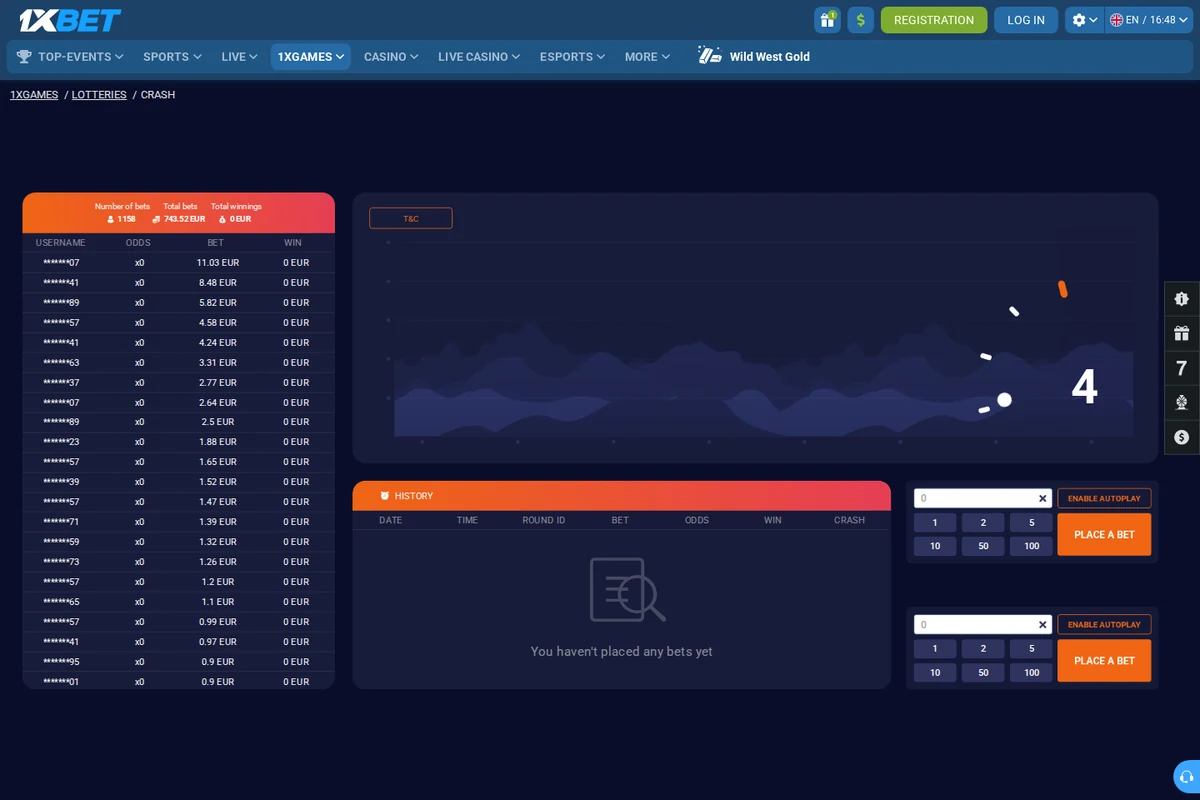
The consequence for players is that play is available almost anywhere and almost any time. That convenience is real, and it also makes advance limits more important than they were when gambling required sitting down at a computer.
The Growth of Live Content
Live dealer games have grown from a small add-on into a major part of many offerings, and the technology behind them has improved steadily: better streams, more tables and formats borrowed from television game shows.
This has changed the feel of online play far more than any single game. A streamed table carries a sense of occasion that a silent digital one does not, and that sense of occasion is deliberately engaging.
It also means the same account is reachable from a train, a queue or a lunch break, which quietly changes how much time is spent playing compared with a decade ago.
Convenience of that kind is a genuine shift, and it is the main reason limits set in advance now do more work than they did when play required a desk and a laptop.
Trends Worth Understanding as a Player
- The shift of most play onto mobile devices.
- The growth of live dealer content and streamed tables.
- Consolidation of many brands under a few large groups.
- Personalised promotions shaped by player data.
- Tighter regulation raising the cost of operating.
Consolidation Behind the Brands
Many familiar brand names belong to a small number of large groups, which own several operators, game studios and platforms at once. From the outside the brands look unrelated, while behind them the same parent company may sit.
For players this matters mainly for self-exclusion and responsible-gambling tools. Blocks and requests sometimes apply at group level, so knowing who owns what can make a break far more effective.
Data, Personalisation and Marketing
Operators increasingly tailor what a player sees, from the games promoted on a home page to the bonuses offered in a message. Personalisation is the industry’s favoured word for it, and it is a powerful tool.
For the player, the practical implication is that the experience is deliberately shaped. Recognising a promotion as a nudge rather than as a neutral suggestion is a small insight that changes how it feels.
Consolidation also affects game studios and payment providers, so a small number of groups influence what games appear and how money moves across a large part of the market.
Knowing who owns which brand is useful for two reasons: it clarifies a self-exclusion and it explains why different-looking sites can feel strangely similar to use.
Trend and Effect on Players
| Trend | What is happening | What it means for players |
|---|---|---|
| Mobile first | Play moves onto phones | Advance limits matter more |
| Live content | Streamed tables grow | A more engaging format |
| Consolidation | Fewer, larger groups | A break may apply group-wide |
| Personalisation | Offers tailored to the player | Promotions are nudges |
Regulation and the Cost of Doing Business
Tighter rules in many markets have raised the cost of operating, from compliance departments to identity checks and responsible-gambling obligations. That pressure is one reason consolidation has accelerated.
It has also changed what operators advertise. Promotions are more heavily conditioned and responsible-gambling messaging is more prominent, because regulators now require both rather than merely recommending them.
What the Trends Do Not Change
For all the movement in the industry, none of it changes the underlying mathematics. The house edge is still built into every game, every round is still independent and no trend makes a result predictable.
New formats, better streams and smarter marketing all aim at engagement, and engagement is not advantage. The trends are worth understanding; the fundamentals of sensible play are exactly where they have always been.
It has also changed how bonuses are structured, with heavier conditions and clearer warnings now common where lighter versions once were.
For a player the practical effect is that offers require more reading than before, which is inconvenient and generally improves the quality of the decision.
The gambling industry is becoming more mobile, more live, more consolidated and more data-driven, and understanding those shifts makes the experience easier to read. None of them changes the house edge or makes a result predictable. Follow the trends with interest, and let your limits, rather than the marketing, decide how much a session costs.
Read next
Global Gambling Regulation: What Is Changing
Why rules differ so widely between markets and what that means for players.
New Responsible-Gambling Rules Explained
Why regulators keep tightening controls and what operators now have to do.
Gambling Advertising: Rules and Restrictions
How adverts for betting and casinos are regulated, and the claims they cannot make.