
How to Read Betting Odds Without the Jargon

Odds look like a wall of numbers to anyone new to betting, yet the idea behind them is simple: a price is a way of expressing how likely an outcome is thought to be, and how much a winning stake would return. This guide explains the three common ways of writing a price, what the operator’s margin actually is and why a short price is a statement of opinion rather than a promise that something will happen.
What a Price Is Really Saying
An odds figure bundles two things into one number: an estimate of probability and the amount a winning bet pays. When a price is short, the outcome is considered likely and the payout is modest; when a price is long, the outcome is considered unlikely and the payout is larger.
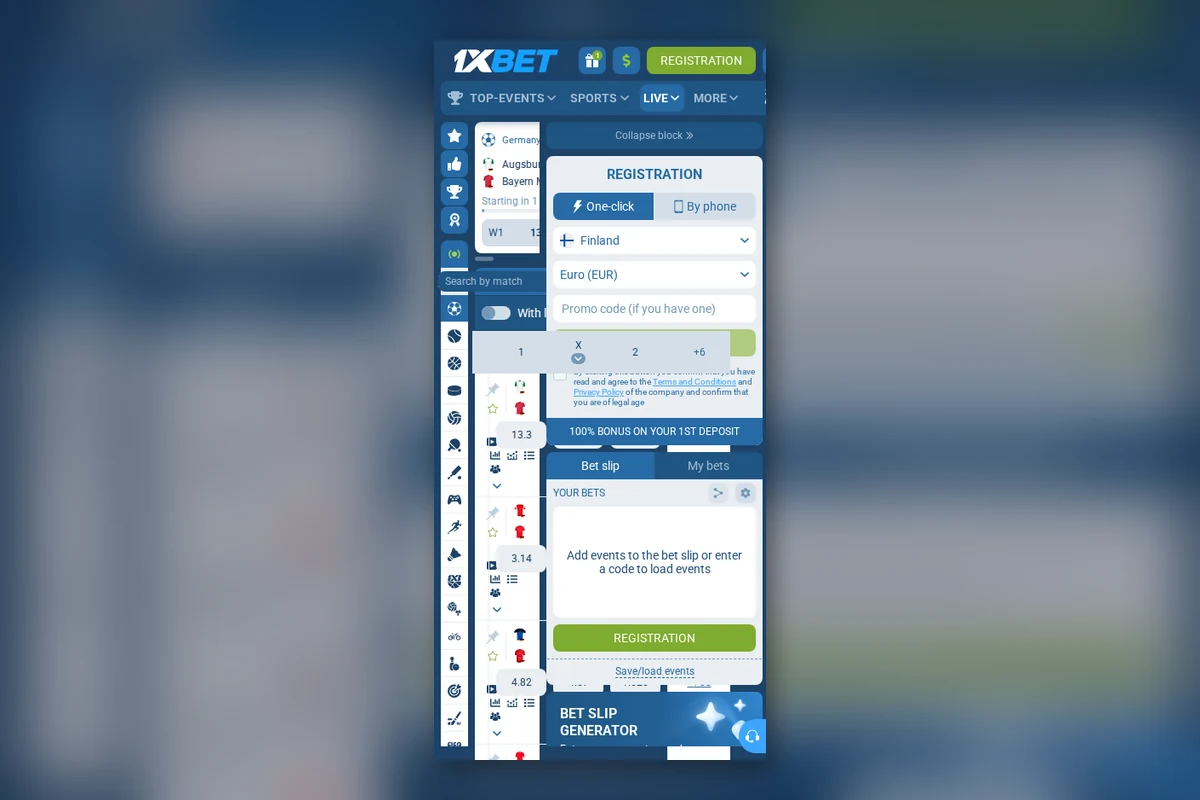
The key word is considered. A price reflects the operator’s assessment plus its margin, and assessments can be wrong. A short price does not make an event certain, and a long price does not make it impossible. Both are opinions expressed in numbers.
It is also worth noticing that the price moves. News about a team, an injury or a change in conditions can shift a figure within minutes, which shows how much of a price is judgement rather than fact.
The Three Ways of Writing Odds
Decimal odds show the total return per unit staked, including the stake itself, so a price of two means double your money back if the bet wins. Fractional odds show the profit alone relative to the stake, in a format that reads like a fraction.
Moneyline odds, common in North American sports, use a positive or negative figure. A negative number states how much must be staked to win a smaller fixed profit, while a positive number states the profit on a standard stake.
These formats are translations of the same underlying idea, and any operator can display whichever you prefer. Understanding one of them well is enough to read the others.
It is worth remembering that any format can be converted into another, so the figures on one site are directly comparable with the figures on another. A little practice with the decimal format makes every other style easy to translate in your head.
Seasoned bettors also watch how a price sits against the field. A price that looks generous next to several rivals often signals that the market knows something the headline does not.
Questions to Ask About Any Price
- What probability is this price implying?
- Does the price look fair compared with rivals in the market?
- Is there news that explains why the figure moved?
- What return would a win actually produce on my stake?
- Is this a bet I planned, or am I reacting to a number?
Why the Price Does Not Add Up to Certainty
If you convert every price in a market back into an implied probability and add them together, the total comes to more than the whole. That gap is the operator’s margin, and it is how the book is built to earn over time.
The margin is not a trick. It is the cost of running a market where someone is willing to take the other side of your bet. The practical consequence is that a punter needs to be better than the market’s own estimate, not merely right about who will win.
Reading a Market Before You Stake
A single price tells you little; the shape of the whole market tells you more. Comparing the favourite against the outsider, and checking whether several operators agree, shows how confident the market is about an outcome.
It also helps to ask why a price is unusually long. Sometimes the market is simply unsure, and sometimes there is a reason a casual follower has not noticed. Either way, the figure is an invitation to think, not an instruction to bet.
One useful routine is to write the price down before a bet and compare it with the result afterwards. Over time this reveals whether apparent value was real or simply an opinion that happened to be wrong.
It also pays to compare the same market across a few operators before staking. Small differences in a price add up over many bets, and noticing them is a skill that costs nothing to learn.
The Same Price in Three Formats
| Format | How it reads | What it shows |
|---|---|---|
| Decimal | A single figure such as two | Total return including the stake |
| Fractional | A pair such as one to one | Profit relative to the stake |
| Moneyline | A signed figure such as plus one hundred | Stake needed or profit made |
| Implied probability | A percentage | How likely the market thinks it is |
The Margin, in Plain Terms
Think of the margin as a small, permanent tax on every bet. It is spread evenly across the market, so it is invisible in any single wager, yet over many wagers it is the difference between breaking even and slowly losing.
This is why no amount of confidence removes the margin, and why a run of wins is not evidence of skill. The tax applies whether you win the next bet or lose it, and it never takes a day off.
Turning Understanding Into Discipline
Knowing how odds work does not make a profit likely, but it does make you harder to fool. It becomes obvious why a supposedly sure thing pays so little, and why a tipster selling certain winners is describing a market that does not exist.
The useful outcome of reading odds well is a calmer decision: a stake you had already planned, on a price you understand, with a clear sense that the money is at risk. That is a far better goal than trying to outguess a market for a living.
Discipline, in the end, is what makes the study of odds worthwhile. A person who understands prices but stakes impulsively is no better protected than one who never learned to read them.
The goal is not to win every bet, which is impossible, but to make each stake a decision rather than a reflex. That alone changes the whole experience of betting.
Odds are a language, and once you can read them the mystery drains out of the screen. A price is an opinion with a margin attached, not a forecast you can trust. Read the market, understand what you would win and what you would lose, and treat every stake as money already at risk — that understanding is worth more than any prediction.
Read next
Live Betting: How In-Play Markets Move
Why odds shift during a match and why a changing price does not remove the risk.
Singles, Accumulators and Systems Compared
The difference in risk between one bet, a parlay and a system of several selections.
Bankroll Basics: Rules Before You Stake
Setting a budget, sizing a stake and deciding your stop point before the first bet.